Enhance Your Property: Essential Facts Regarding Home Renovation Work for Each House Owner
Property owners frequently look for options to upgrade their living spaces via professional remodeling. These projects can range from small kitchen fixes to comprehensive home makeovers. Understanding the options available is vital for deciding wisely. Furthermore, there exist real-world factors like budgeting and contractor selection. As homeowners commence on this journey, they may find themselves facing unexpected challenges. The secret to a great renovation depends on meticulous preparation and execution. What steps should be taken next?
Understanding the Different Types of Residential Renovation Work
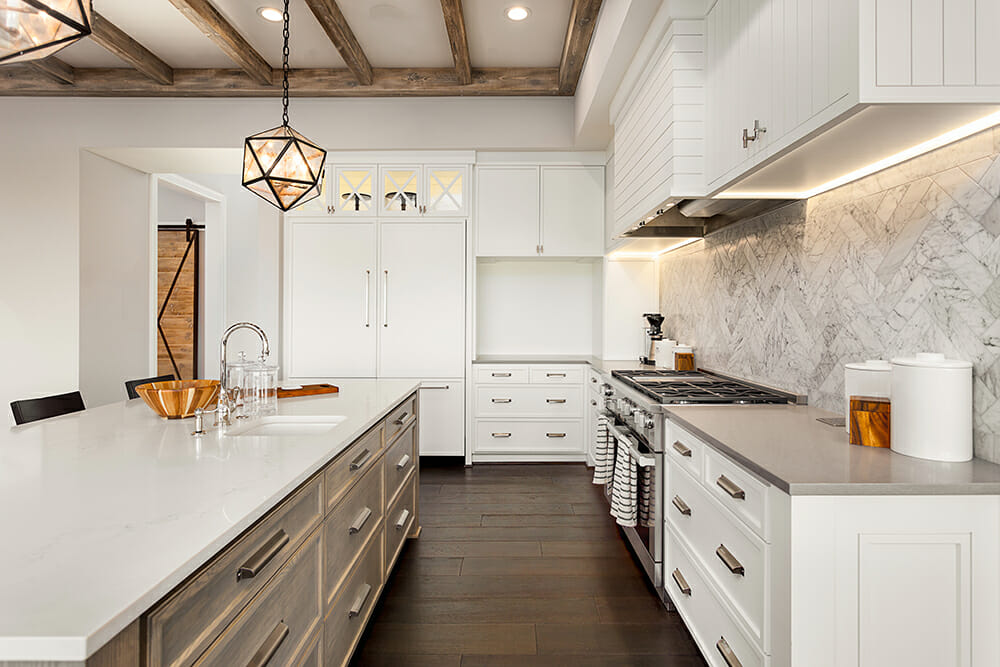
When homeowners consider renovating their living spaces, they typically find numerous renovation options suited to various requirements and preferences. These services can be broadly categorized into various categories, each addressing specific aspects of residential enhancement. Renovating the kitchen involves upgrading equipment, storage units, and floor plans to improve usability and visual appeal. Bathroom remodeling typically involves updating the hardware, tiling, and organizational units for improved comfort and design.
Full-house renovation covers extensive modifications to the entire house, sometimes requiring major structural work to maximize the area and layout. External improvement work, on the other hand, aim to improve the property's street view, dealing with the cladding, the roof, and the yard. Additionally, specialized services like basement finishing and upgrading the attic help residents make the most of underutilized spaces. Each type of remodeling service provides distinct advantages, enabling homeowners to choose options that match their goals for their residence. Knowing these variations is essential when deciding intelligently during the renovation process.
Creating an Attainable Financial Limit for Your Remodeling Project
What steps ensure their remodeling projects remain economically sound? Setting a practical budget is necessary. Property owners must start by evaluating their financial capacity, covering savings and possible funding sources. This initial step helps establish the funds available for the updating project while maintaining other fiscal obligations.
Next, homeowners must research the costs associated with their desired renovations, considering materials, labor, and unforeseen expenses that often arise. Developing a comprehensive priority list aids in distinguishing essentials from desirable features, enabling modifications if the finances are strained.
It is smart to incorporate a reserve fund, usually about 10-20% of the overall cost, to cover unexpected costs. Frequently checking and modifying the budget throughout the remodeling process can also help maintain financial control. Finally, a thoroughly prepared budget ensures the project is feasible and makes the whole updating experience better for homeowners.
Selecting the Appropriate Contractor for Your Needs.
Selecting the right contractor has a major influence on how well a renovation turns out. Homeowners should begin by doing comprehensive research, looking for suggestions from acquaintances, relatives, or web feedback. It’s vital to verify credentials, including licenses, insurance, and bonding, to confirm legitimacy.
After suitable professionals have been found, property owners must ask for comprehensive quotes and schedules, facilitating well-grounded side-by-side evaluations. Meeting with them offers a look at their manner of communicating and their professional conduct, which are essential for a collaborative process.
Additionally, reviewing past projects through portfolios or references demonstrates the professional's skill level. It is wise to question them regarding warranties or safeguards, reflecting the contractor's confidence in their work.
In the end, choosing a professional who matches the homeowner's goals, finances, and schedule fosters a more positive remodeling experience, ensuring the work fulfills requirements and changes the space as intended.
Planning and Designing Your Ideal Space.
As homeowners envision their ideal spaces, meticulous organization and deliberate design form vital parts of a triumphant renovation effort. The beginning stage requires reviewing existing necessities and future desires, which permits a comprehensive grasp of the room's intended function. Owners must take into account practicality, visual appeal, and personal style, making sure the design captures their unique preferences.
Next, establishing a thorough budget is crucial. This budget should accommodate supplies, workforce costs, and possible unexpected costs. Hiring professional designers can give meaningful advice, assisting in improving the layout while adhering to budgetary constraints.
Including features such as ample daylight, open layouts, and eco-friendly supplies can elevate the living environment. In conclusion, seeing the project via drawings or computer models can help perfect concepts before starting the work. By approaching the planning and design phase with intention, homeowners can create an inviting, efficient space suited to their way of life.
Dealing with Permits and Building Codes in Residential Projects
Grasping the intricacies of permits and rules can be intimidating for homeowners beginning a home improvement in-depth guide project. Each municipality has specific rules that determine what is allowed during renovations, often influenced by area restrictions, construction standards, and security requirements. It is essential for homeowners to understand local regulations so they don't incur hefty fees or project delays.
In most cases, getting permits is mandatory for significant alterations, such as modifying load-bearing elements or electrical work. This process usually necessitates providing designs for examination and could involve check-ups at different phases.
Engaging a knowledgeable contractor can streamline these steps, as they are typically experts in municipal rules and can aid in filing necessary forms. Homeowners should also keep communication open with the municipal planning office to guarantee compliance throughout the project. By grasping and navigating these regulations, homeowners can fulfill their improvement aims while guaranteeing that the work is safe and legal in their renovations.
Frequently Asked Questions
How Much Time is Needed for a Typical Remodeling Job?

A typical home remodeling project usually takes three to six months on average, depending on the scope of work, size of the home, and material lead times. More involved renovations might need extra time for completion.
What are the frequent blunders that people make while undertaking a remodel?
Typical pitfalls during remodeling include failing to budget properly, neglecting permits, missing scheduled deadlines, poor communication with your builders, and not considering long-term functionality. Awareness of these pitfalls can lead to a smoother, more successful remodeling experience.
How should I go about choosing the right materials for my renovation?
Choosing the right materials involves evaluating their resilience, aesthetics, and financial limits. Researching options, getting expert advice, and thinking about upkeep are vital steps in reaching educated conclusions, making sure the renovation matches your functional and aesthetic goals.
Will I be able to reside in my property while the remodeling is happening?
Yes, one can live on the premises while work is ongoing, but it could be uncomfortable. Careful planning, maintaining open dialogue with your builders, and setting aside certain zones for essential activities can help minimize disruption during the process.
What kind of coverage should be provided from the renovation company?
Clients typically receive warranties covering workmanship, materials, and key building elements, often covering a period of one to ten years. It is essential to examine the exact provisions in partnership with the renovation company to clearly grasp what is covered and what is excluded.